


Types of Plastic Repair: Weld, Glue, or Water
From the outside looking in, plastic repair can seem like a perplexing task. If a plastic item becomes deformed or cracked, you might feel there is no choice but to replace the item. However, working with plastic is easier than you may initially realize. In many cases, all it takes is to apply some pressure and heat to complete a successful fix. And this relatively easy repair is applicable for a wide array of plastic products, including:
- Chairs
- Bins
- Buckets
- Glasses
- Containers
- Car parts
- Tupperware
- Toys
So, before you decide to throw a broken plastic item into the recycling bin, consider the possibility that plastic repair may just be the answer. Below are several techniques – both conventional and non-conventional – that guides how to repair plastic.
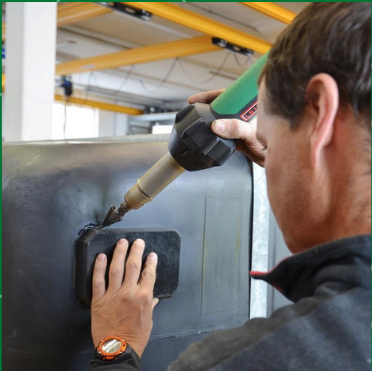
Plastic Welding
In various industries, welding is the route to take when fixing plastic. Plastic welding is a great approach to take if the plastic has a crack or if two separate plastic pieces need to be joined together.
As you would expect with welding, heat is essential, and it’s applied to the plastic’s edges.
Heat melts the plastic to the point that it’s in a liquid-like state, and the edges can then be bonded together. Additionally, a stronger bond can be created by melting additional plastic into the groove – although this isn’t always applicable.
Welding plastic is particularly prevalent in the automobile world. Plastics have become a primary choice for a car’s body panels. As a result, damaged panels must be repaired, and welding is the primary choice to use.
How can you get started in the world of plastic welding? Fortunately, there are various tools available that are used specifically for the job. In fact, you can find a welding plastic repair kit for different repair purposes. For example, at Heatgun, we provide plastic bin repair kits. Kits like these are ideal for both beginners and professionals. You don’t have to go out and find different tools and wonder what is needed because you’ll have everything you require all in one place, which makes the plastic repair both quick and easy.
Friction welding
Friction welding (sometimes referred to as spin welding) is when a small piece of plastic is spun at a high RPM rate and spinning plastic is then pressed against another stationary piece of plastic. Friction caused by the spinning effectively melts the plastic of the two separate parts being joined to produce a durable bond.
Friction welding is a particularly useful technique for conducting 3D printer misprint repairs because the small plastic piece that is spun can be a small 3D printing filament segment. The result: the filament is matched perfectly to the 3D printer design, which means defects can be covered without anyone realizing it even existed.
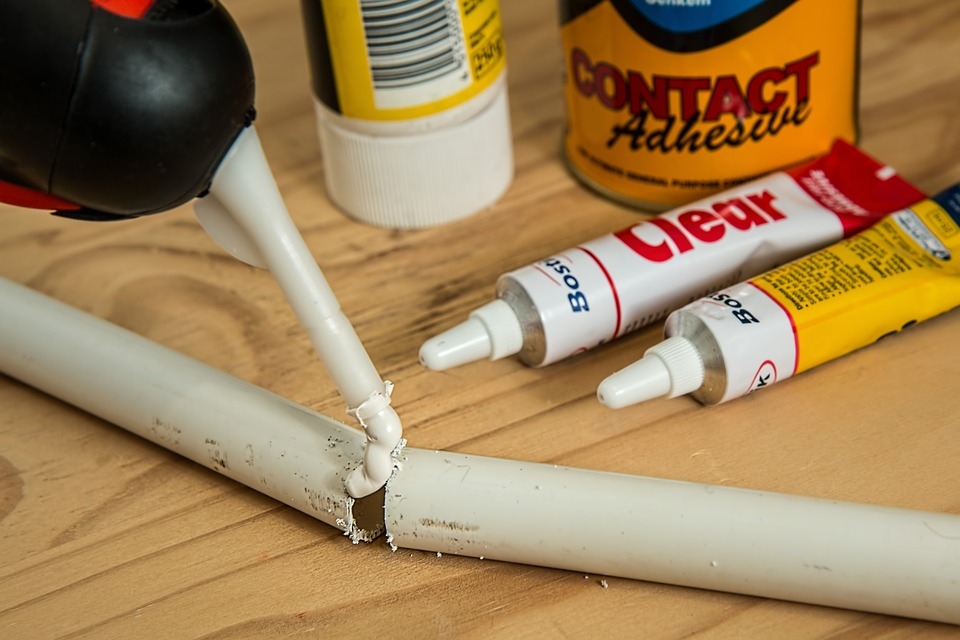
The old-fashioned glue route
A simple tube of glue can be your savior when dealing with small pieces of broken plastic. As expected, this technique doesn’t require a great deal of strategy or steps to follow. What it does require, however, is care and attention.
First, start by purchasing a highly regarded, high-strength tube of plastic glue. Plastic glues are designed to form molecular level bonds between plastic surfaces, so ensure you find a product that’s made for the plastic type you’re repairing.
The first step of using the glue is to spread it across the edges of the broken plastic piece. Make sure the glue covers the entire surface that will connect to the larger second piece of plastic. When doing this, it is recommended you wear rubber gloves to avoid the plastic glue getting onto your skin.
As you press the plastic into place, take care so that the edges are lined up and in the correct position. Due to how quick plastic glue dries, you might only have one shot to get it right. When in place, press down with constant pressure for up to a minute. You will then want to leave the glue to cure, which will be 1-2 hours, or it may take a full 24 hours depending on the size and type of plastic being repaired. Curing is important because the newly repaired piece could quickly become loose again, leaving you back at square one

Hot and cold water
When it comes to non-conventional methods, the hot-and-cold water method is one of them. For certain plastics, you don’t require special tools. All you need is a combination of hot and cold water.
To make plastic soft enough where you can manipulate it, extreme heat is not necessarily needed. In some instances, when you’re working with thin, small pieces of plastic, it’s possible to use hot water that’s just below boiling temperature.
As with all of the other techniques listed, the hot-and-cold water method still requires care, so please take your time. Dip the plastic piece into the hot water to warm up the plastic. Periodically remove the plastic from the hot water to test its malleability. Once it becomes soft enough, you’ll be able to use your fingers to manipulate its shape. When you achieve the desired shape, place the plastic item into a bowl of cold water so that it cools and holds its shape.
Looking for a more comprehensive guide? Click to read our comprehensive plastic repair guide. Or reach out for any advice, especially about available plastic repair kits, give us a call! We’re happy to help!