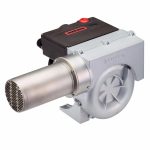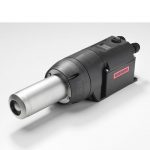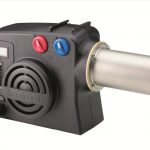
So you want to know which heatgun is right for you? You have come to the right place!
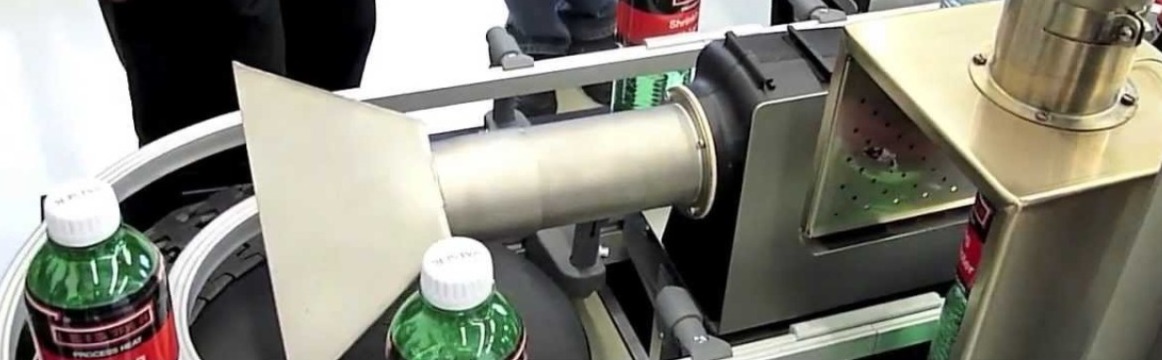
An air heater works by passing air across a heated element to elevate the temperature of the air. Hot air can be used for various applications ranging from heating a space to drying coatings and parts, or from de-flashing plastic components to heating parts in manufacturing process.
Choosing the Right Leister Hot Air Blower:
The main factors to consider would be these 4 when choosing your portable hot air blower.
1. ON-Board Thermocouple
Industrial heaters are found both without and with on-board thermocouple. It is crucial to have careful consideration upon application to control requirements and avoid paying for more sophistication than required. You may choose to omit an onboard thermocouple while selecting a hot air blower .
An external temperature controller will be used that is not compatible with on-board thermocouple.
Precision/accuracy of on-board thermocouple is not sufficient for application.
An external temperature controller will be used that is not compatible with on-board thermocouple.
Precision/accuracy of on-board thermocouple is not sufficient for application.
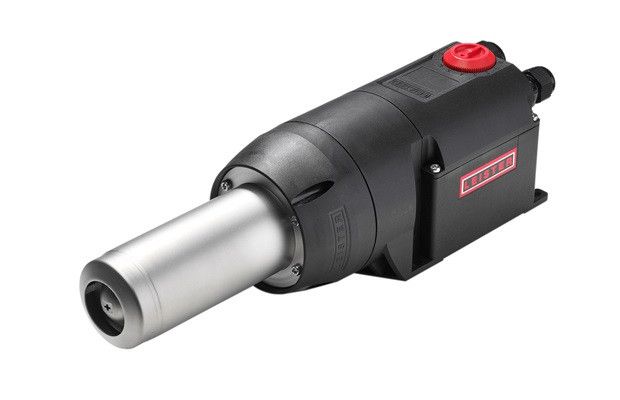
2. High or Low Volume Air Flow
Application will point towards either a low or high flow. There are few examples:-
- It is fully supported element where large cavity should be filled with hot air.
- It is an open element where high temperatures are needed.
- It is an open element when coupled with air knife for drying application.
- Location where temperature is crucial is kept distance away from heater outlet. In such applications, thermocouple kept in a location should be used instead of a thermocouple in heater itself.
3. ON-Board Temperature Control
Similar to on-board thermocouple, there are various sophisticated hot air blowers that have on-board temperature controls. On-board temperature controls are included with feedback from an on-board temperature control. On-board temperature controls are always paired with feedback from on-board thermocouple.
Although the heater itself may be more expensive than one without this capability, there are situations where it is more economical because closed-loop control is possible without any external control components.
Although the heater itself may be more expensive than one without this capability, there are situations where it is more economical because closed-loop control is possible without any external control components.
There are also times when it does not make sense to have this capability, such as:
- An external temperature controller is required as part of the larger process.
- Closed-loop temperature control is not required.
- The critical temperature must be measured at a specific location, not at the heater outlet. This requires a thermocouple at that point of application.
- Very precise temperature control is required. While on-board temperature control usually provides acceptable accuracy, and is a significant upgrade over an open-loop system, external closed loop systems will almost always be more precise and accurate.
4. Compatibility with Air Sources
-
Compressed Air
Compressed air may be the right option if there are severe space constraints or very high system pressure requirements. However, it is generally not recommended due to the high associated energy cost and the chance of contamination by water or oil, which can damage the air heater.
-
Hot Air Blower
To be effective, the appropriate blower must be selected to pair with your air heater. Choosing an ill-sized blower can result in damage or destruction of your air heater, or can result in a poorly performing system. The heater supplier should provide specifications for minimum air flow and maximum operating pressure requirements for the heater. Operating temperature versus air flow information should also be available, if you cannot find this information in the supplier’s literature or website is sure to ask. It is also important to understand how a blower will interact with your heater, as blower output changes when back pressure is applied. If you are not sure which blower to select, the heater supplier should be able to help you choose the most appropriate type for your application.
Shop Hot Air Blowers. Click the image to shop.