


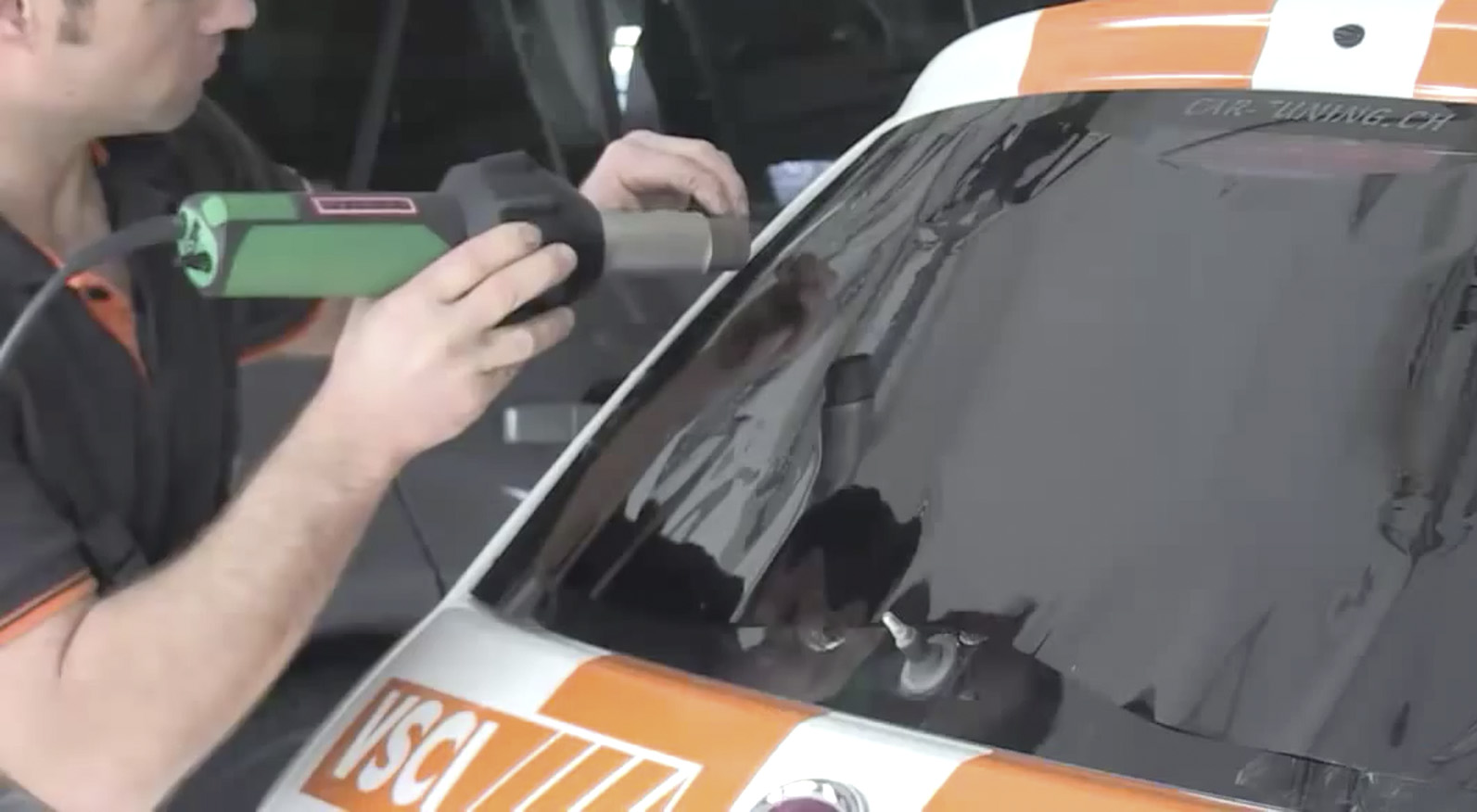
Plastic is a very common material used in today’s vehicles. That’s because it is a flexible material that can be shaped to suit a variety of vehicle body parts. From bumpers and grilles to spoilers and light surrounds, plastics of all types have a lot of value for vehicle technicians. Although there are a variety of different types of plastics used in car manufacture, they each have their own properties. However, plastics have the same structural strength as steel, and their elasticity means that impacts that would damage metals beyond repair can be quickly fixed. High-level heat welding plastics can be used to get rid of cracks, warping, splits, or even entirely lost car body parts, without losing any structural integrity.
Plastic Varieties and High-Level Heating
Cars are built using a wide variety of different plastics. For vehicle technicians, identifying the type of plastic that requires work is vital. That’s because welding uses a high level of heat to bond materials together, and thermoplastic types all require different high temperatures to become malleable. While some thermoplastic welding will need to have a set temperature of 300°C (the ideal temperature for welding high-density polyethylene resin), others will need a much higher level of 400°C (the optimum heat setting for polyamide plastics). Attempting either tack welding or main welding at the wrong temperature weakens the structural integrity of a vehicle, and will mean that your goal of welding plastics will not bond well enough to last.
Low-Level Temperature Welding
When it comes to temperature adjustments when welding, the wrong heat setting can have a variety of dramatic effects, none of which are positive. Welding gun temperature is of vital importance, and there is only a narrow window to play with in terms of that high heating level. Your welding gun needs to be at a high enough level to soften the plastic of the ‘parent’ part and the welding rod. Get the wrong temperature for welding plastics, and the fusion will not happen. If you attempt to fuse two plastics together at a too low temperature, then the result is what is called a ‘cold-weld.’ This type of weld is quick to fracture. If you go the other way and attempt to weld at a too high temperature, then the materials themselves will be degraded. Therefore, a too high temperature results in a weaker weld that damages both the parent material and the welding rod.
The Importance of Test Welding
The best way to guarantee that you are using the right high-level temperature for welding plastics is to test weld first. This is a useful way to evaluate what type of plastic has been used in the manufacturing of the car and ensure that you use the right temperature. Test welding can take a variety of forms, but they are categorized in two ways:
- Non-destructive: These can be used to check the damaged vehicle part for cracks, and imperfections, and for determining the plastic-type required. There are a series of non-destructive tests that can be performed. These might include visual checks, but could consist of Ultrasonic Inspection, Radiographic Inspection, or Magnetic Particle Inspection.
- Destructive: This is a more thorough method for establishing the required work and the necessary temperatures for a successful weld. There is a vast range of techniques that cover this type of test, including Bend and Flexural Testing, Pressure Testing, Tensile or Compression Testing, or Shear Testing.
Plastics in car manufacturing are a valuable material. Their strength, malleability, and durability mean that they make car repairs easier and more cost-effective for owners. Due to the high heat levels involved, welding plastics together can be challenging. Ensuring that you have identified the right type of plastic and determined the correct temperature is vital for a successful weld.