


Heat guns are highly adaptable tools that generate a controlled stream of hot air, capable of reaching temperatures between 100°F to over 1,000°F. Their flexibility makes them invaluable in a wide range of industries, where their precision, ease of use, and versatility help professionals carry out various specialized tasks. Below are some industries where heat guns are commonly used and why they are crucial in each sector:
1. Civil Engineering
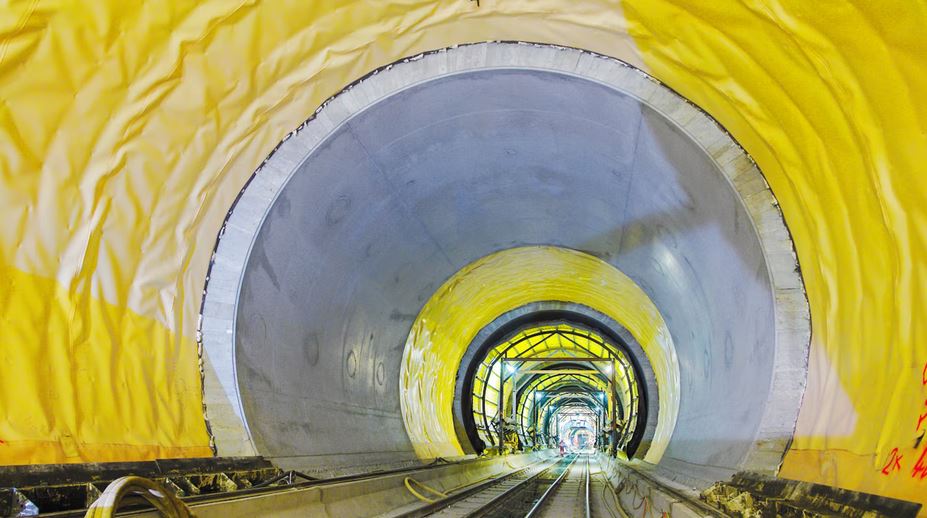
In civil engineering, heat guns play an important role in tasks that require the manipulation of materials for construction or repairs. One of their primary uses is in *asphalt and concrete repairs*. The heat from these guns can soften and remove old asphalt, allowing for clean and precise resurfacing. Heat guns are also employed in *shrink-wrapping large structures* to provide protective coatings against environmental factors such as moisture or dust during construction or restoration projects.
Moreover, they are used for drying out wet surfaces quickly, making them vital tools for curing materials that need to be set in a specific timeframe. Their use in these applications not only saves time but also ensures quality control during the construction process.
2. Flooring
In the flooring industry, heat guns are primarily used for *vinyl flooring installation* and *plastic welding*. When installing vinyl or linoleum floors, professionals use heat guns to soften the material, making it easier to mold into tight corners or around obstacles. This allows for precise cutting and fitting, resulting in a seamless finish.
Heat guns are also critical in welding plastic-based flooring materials. By softening the welding rods, these tools allow professionals to fuse two surfaces together, ensuring a strong, long-lasting bond. They are perfect for both residential and commercial projects, where durability and aesthetic quality are key.
3. Heating and Drying
Heat guns are ideal for heating and drying applications across many industries. Whether it’s *paint drying*, *thawing frozen pipes*, or *removing adhesives*, their controlled heat helps in getting tasks done more efficiently. In the construction and manufacturing industries, these tools are often used to speed up drying times for coatings, adhesives, and sealants, ensuring quicker project turnover.
4. Medical Fields
In the medical industry, heat guns are used in *thermoforming* to shape plastic sheets for *orthotics and prosthetics*. They allow medical professionals to customize braces, supports, and other assistive devices that need to conform to the patient’s body. The precision and control offered by heat guns make them suitable for crafting comfortable and effective medical equipment.
5. Plastic Fabrication
Heat guns are essential in plastic fabrication, especially in *bending, forming, and welding plastic components*. Manufacturers use heat guns to soften plastic materials, allowing them to be shaped into different forms without cracking or breaking. This process is particularly important for industries that require lightweight, durable, and malleable materials, such as the automotive and consumer goods sectors.
6. Roofing
In roofing, heat guns are commonly used for *welding membranes* in flat roof installations. Roofers use hot air to fuse sheets of thermoplastic membranes, ensuring that the seams are waterproof and durable. This method is preferred for its ability to create strong, reliable bonds without the use of adhesives or other chemicals.
Heat guns are also utilized for *shrinking protective wraps* over roof installations, particularly when protecting the structure during harsh weather conditions. Their ability to apply heat evenly across large surfaces makes them indispensable tools in roofing projects.
7. Signs and Banners
Heat guns are widely used in the production and installation of *signs and banners*. In the sign-making industry, they help in *applying vinyl wraps* and *removing old adhesives* without damaging surfaces. For banners, they are used to shrink or stretch materials, ensuring a tight, clean fit, whether the banner is for indoor or outdoor use.
Conclusion
Heat guns are vital tools across multiple industries due to their versatility, precision, and ease of use. From civil engineering to medical applications, these tools enhance efficiency and improve the quality of work. Whether you need to dry, weld, shrink, or shape materials, heat guns provide a flexible solution that professionals across many fields rely on.