


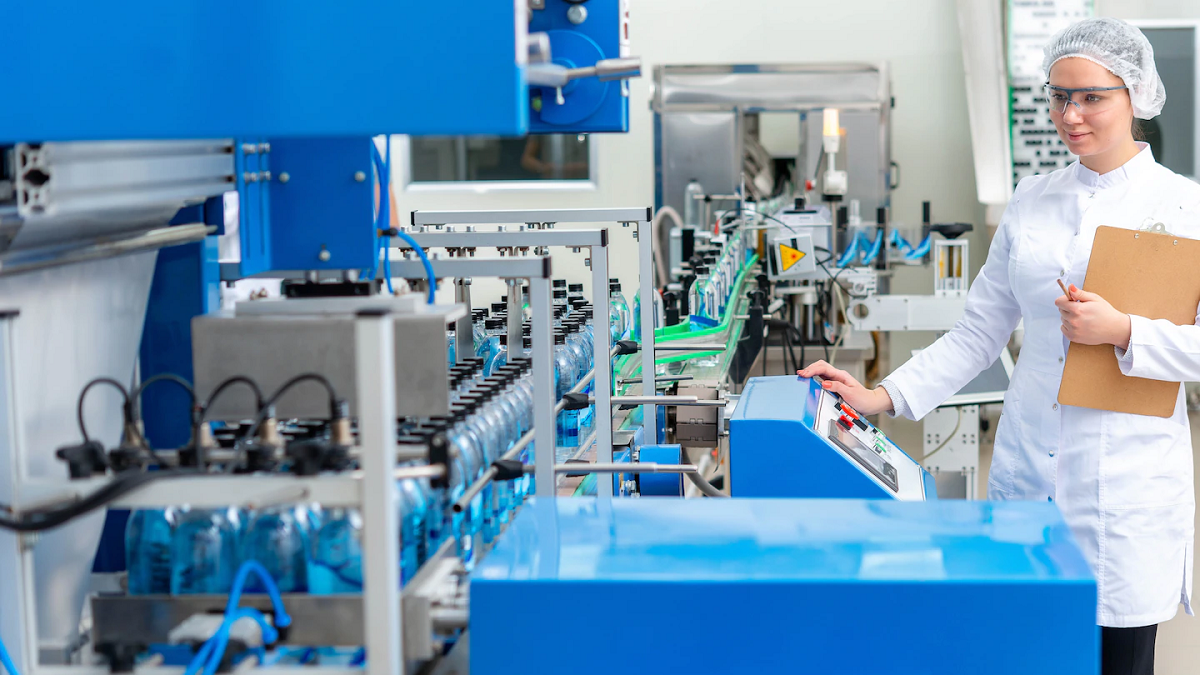
Heat processing tools are incredibly useful for a wide range of tasks in global industry. These include stripping paint and heat treatment. Read below our heat processing tools guide.
Heat processing is incredibly useful for a wide range of industrial purposes. Its innate flexibility, a wide range of applications, and ability to be closely controlled means it can improve the speed and efficiency of many industrial processes.
Although not commonly known, heat processing dominates many industries. In the U.S. alone, it makes up 36% of the total energy consumption in the manufacturing industry, demonstrating its proliferation. Everything from kilning to pressurization and cooking to distillation requires a heat process of some kind. Additionally, heat is used in drying processes, steam production processes, sterilization processes, and boiling liquid for many industrial manufacturing processes.
Heat processes and the tools used have changed industrial processes in countless ways, so let’s look at examples.
What is heat processing?
Heat processing is an umbrella term for the various individual heat applications within industrial and personal processes.
A form of heat is used in the manufacturing process of many essential commodities that the world relies upon; everything from sugar to paper to automobile development must undergo a heat process before it takes its final form.
The reason heating technologies are so popular within the manufacturing industry is their efficiency, cost-effectiveness, and the fact it uses resources that are easily accessible – such as renewable energy and fossil fuels.
Examples of industries that use heat processes include shipbuilding, ores and mineral production, food and beverages, computer chips, cement, aerospace, automotive, weaponry production, and countless others.
What tools are used in heat processing?
Heat processing requires certain tools, and there are various tools to choose from.
On a large scale, in warehouses hundreds of square feet in size, fuel-based tools include smelters, furnaces, kilns, and ovens, while on a smaller industrial scale, tools include hot air heaters, hot air blowers, and hot air recycling products.
Although this article is primarily focused on heat processing tools, we must highlight the heat processing systems which can also be useful.
There are four primary types of heat process systems:
Electric-based systems
In this process, electrical currents heat materials, which is done directly or indirectly.
In direct electrical heating, an electrical current is passed through the material, or the current is induced into the material, or electromagnetic radiation is used to excite the atoms and molecules inside the object.
Alternatively, with indirect electrical heating, one of the three direct heating processes is chosen to heat a susceptor or other kind of element, which then transfers the heat into the material using convection, radiation, conduction, or a combination of the three.
Fuel-based systems
Fuel-based heating technologies use fossil fuels to create heat, which is then transferred to the material. Like electrical systems, this can be done either directly or indirectly. The heat is put into direct contact in the former, whereas in the latter, it is not.
Steam-based heating system
This process uses steam to heat the material. Like other processes, this can be done directly or indirectly. In direct systems, this steam is mixed with liquids or gases, whereas in indirect systems, it uses a heat exchanger to cool and condense the steam in tubes that heat the gas or liquids.
Hybrid heating systems
Hybrid systems use different process heat systems to create an energy-efficient heating process.
What industries have benefited the most from heat processing?
Heat processing has helped countless industries improve the efficiency and cost-effectiveness of their production lines, but there are a few which are particularly worth mentioning.
The food industry, for example, uses thermal processing to remove microorganisms from the food itself. This helps to sterilize and preserve the food instantly. The process can either happen through a batch, continuous or semi-continuous method.
Another great example of heat processing changing an entire industry is automotive. Induction hardening is used to harden select metals – which improves the strength of engine and drivetrain parts.
Any manufacturer that creates mass products for sale worldwide has benefited from heat processing thanks to the ability to plastic shrink wrap oversized pallets filled with products. The shrink wrapping allows for ease of transport of the pallets.
How can heat processing help smaller industries?
There are many benefits attached to using heat processing tools in smaller industries. The most fundamental reason you would want to use heat processing tools is that they allow you to conduct many tasks at a far larger scale.
Not only does this save you money on staff costs, but it enables you to scale your industrial business faster.
Another great benefit of heat processing tools is that they can be used to complete a great many tasks – which improves your flexibility.
For example, heat guns can melt paint, thaw frozen pipes in cold weather, sterilize packaging, soldering, melt adhesives, and dry damp materials or shrink tubing.
There are a variety of different hot air heaters which you can use.
The classic fan only hot air blowers are great all-rounders which provide power up to 40kW. You can also get premium heaters, high-temperature heaters (this heater offers a higher heat output), system heaters (which have a remote control interface), hot air recycling heaters, and LE MINI heaters. These systems usually come with important overheat protection technology, such as an alarm that sounds when the heating element is getting too warm or automatically shuts down.
Another type of heat processing tool is used to conduct heat treatment, which is when metals are raised to a high temperature and then brought down again until they are cool to the touch.
With heat treating, it’s best to use a high-temperature blower. Of course, the type of thermal processing equipment you use will depend on the type of heat treatment you are conducting (e.g., whether batch, semi-continuous, or continuous).
Heat Processing Tools in Conclusion
Heat processing tools have allowed us to manufacture on a large or small scale. They have revolutionized how products efficiently products are made and transported. If it weren’t for heat processes and its tools, applications and processes across all industries, modern life would look very different.
Here at Heatgun.com, we can help you to find the perfect system for you and your business, allowing you to compete and succeed in the coming years. Please reach out to us anytime!